Biotechnology
A Winning Solution for Vitamin A Deficiency?
Golden rice was engineered in 1999 to carry provitamin A and put its inventor on the cover of TIME. In 2024, a Philippine court ordered its commercial planting stopped.
- Published
- August 18, 2026
- Licence
- CC BY 4.0
Name something all of these crops have in common: corn, soybean, rice, and even papaya, beet, and pineapple?
Despite the diversity in their cultivation and use, these crops are among the most frequently genetically modified organisms (GMOs): plants that have had changes made to their DNA to alter certain characteristics that affect their growth. These changes usually confer pest and herbicide resistance or aesthetic enhancement. For example, one type of corn was modified to express proteins from the soil bacterium Bacillus thuringiensis, which is toxic to insects but safe for human consumption. These modifications increase crop yields and reduce the risk of famine for billions of people around the world (U.S. Food and Drug Administration, 2024).
Rice, however, is most often genetically modified for a different purpose: biofortification, the process of increasing nutrient density of certain crops. Biofortified foods especially benefit people with diets that do not provide sufficient vitamins or minerals (Talsma and Pechon, 2017).
In 1999, German plant biotechnologist Ingo Potrykus and his colleagues created a variety of rice that produced provitamin A in its seeds, a plant pigment that can be converted into vitamin A in the body. Vitamin A is crucial for vision and immune function, and those with deficiencies often experience retinal and corneal degeneration and are more vulnerable to infectious diseases. The common sources of vitamin A and its precursors include carrots, sweet potatoes, and red meat, which are hard to come by in many countries. This yellow-tinted grain, dubbed “golden rice,” seemed to be the solution (Enserink, 2008).
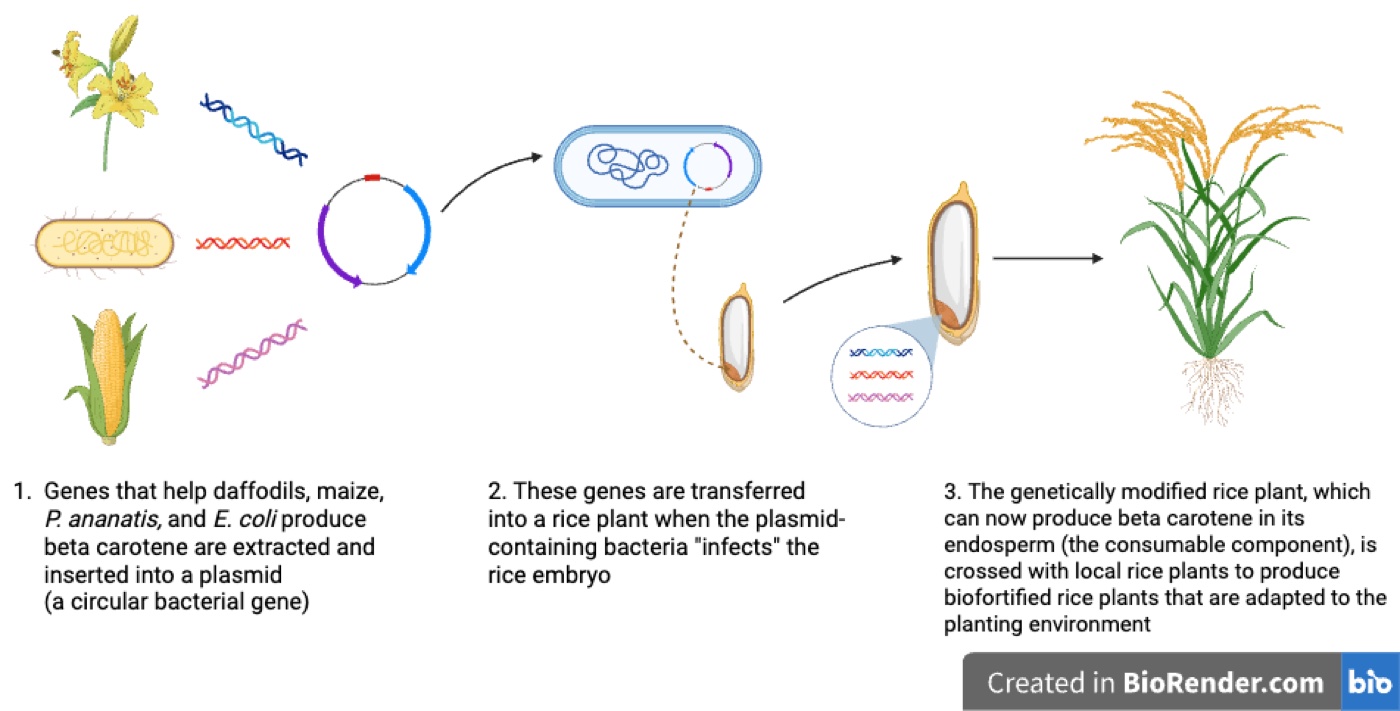
Figure 1. Process of genetically modifying rice embryos to produce golden rice
Potrykus was immediately put on the cover of TIME magazine in 2000, hailed as the pioneer of a “lifesaving” discovery. Scientific and financial interest in the crop exploded. Notably, Syngenta, a seed company connected to pharmaceutical company AstraZeneca, helped develop a new version of golden rice that produced 23 times more pro-vitamin A in its seeds, greatly reducing the amount of rice one needed to consume to reach daily vitamin A requirements (Enserink, 2008). Additionally, the Bill and Melinda Gates Foundation funded research grants for the crop in 2011 in collaboration with the International Rice Research Institute (Gates Foundation, 2011).
However, golden rice was met with just as much criticism. Greenpeace, an international environmental organization, is among the most prominent opponents to all GMOs. In 2013, they released a scathing report against golden rice, arguing that the crop threatens biodiversity, as it can easily contaminate organic rice crops. Additionally, they opposed its corporate connections as infringing on the livelihoods of independent farmers and their harvests. They argued that the long development and research period of golden rice did not result in widespread use and proven health benefits, and that funding would have been more beneficial for other efforts (Cotter, 2013). In response, 106 Nobel laureates wrote a letter to Greenpeace urging the organization to stop their campaign against GMOs and golden rice, refuting the arguments in their report and likening the campaign to a “crime against humanity” due to the potential lifesaving effects of GMOs (Chokshi, 2016).
In 2024, after a long stagnant period for both golden rice development and opposition, Greenpeace Southeast Asia had a breakthrough: the Philippines’ Court of Appeals issued a formal order to stop the commercial planting of golden rice due to a lack of consensus on the safety or harmful effects of the crop despite previous planting trials (Bautista, 2024). For example, a 2022-23 golden rice pilot planting program focused more on successful cultivation rather than investigating the human health effects (Zagado et al., 2026). Just as Greenpeace had argued a decade before, the court stated that a wider variety of low-cost vegetables and fruits would be a more dependable source of both vitamin A and other necessary nutrients, especially because of the uncertainty surrounding golden rice (Bautista, 2024).
While implementation of golden rice has stalled, a different variety of genetically modified rice that supplements iron and zinc was approved for commercialization in the Philippines in May 2026 (Normile, 2026). Will this variety face the same backlash, or will it be a new advancement for biofortification efforts? It may take years to tell.
Ultimately, the controversy surrounding golden rice speaks to a larger conversation on bioethics and scientific breakthroughs. Portrykus and his colleagues developed the crop in hopes of solving widespread nutritional deficiencies, but their good intentions became overshadowed by the already established debate surrounding the efficacy and safety of GMOs. At the same time, activists’ concerns should be taken into consideration when introducing new technologies to local consumers and their environments. The balance must be understood and respected for biotechnology to have the greatest positive effect.
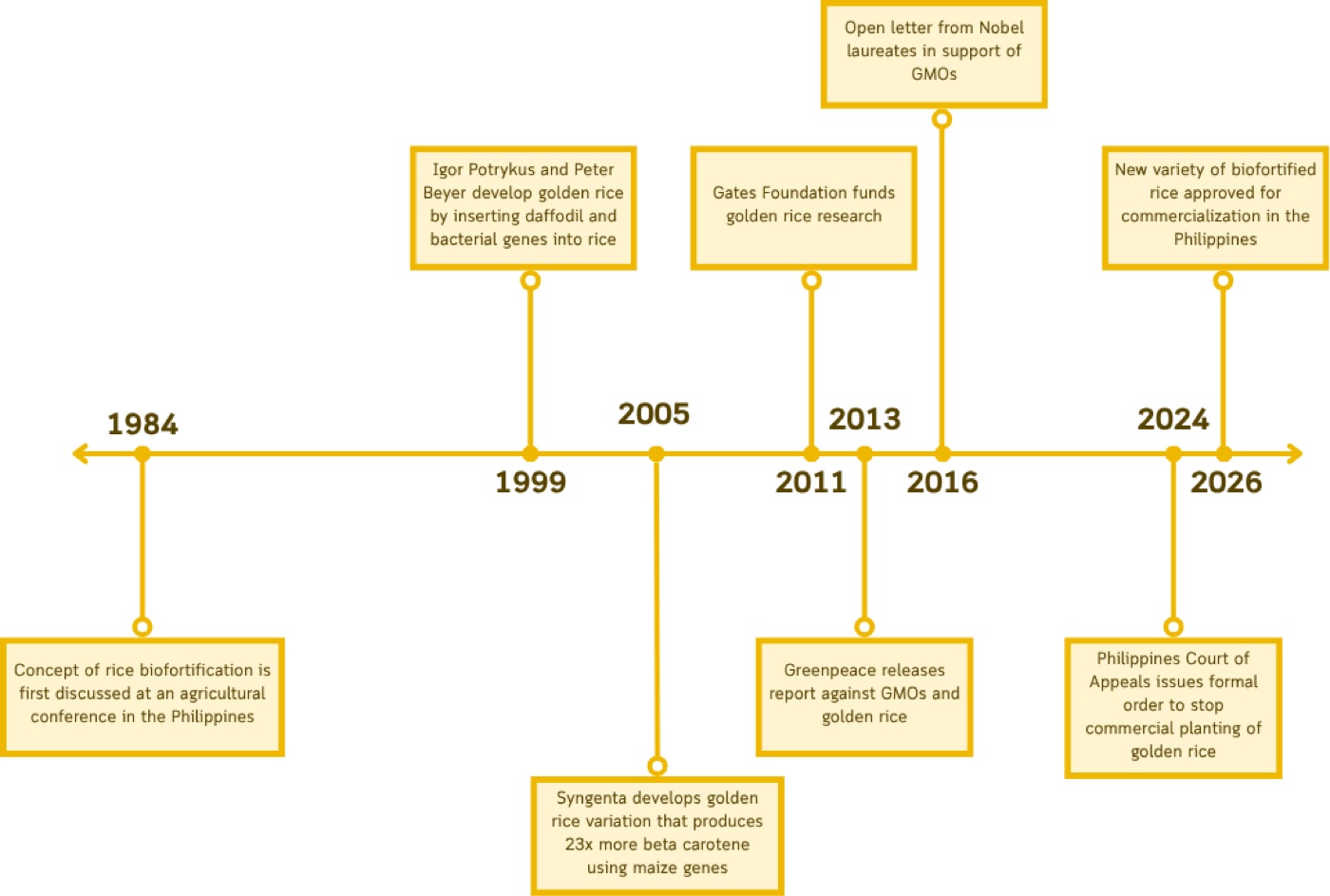
Figure 2. Timeline of golden rice development and turning points in policy
References
- Bautista, J. (2024, April 24). CA Stops Commercial Growing of GMO Crops. Philippine Daily Inquirer. https://newsinfo.inquirer.net/1932891/ca-stops-commercial-growing-of-gmo-crops.
- Bill & Melinda Gates Foundation. (2011, April). New Golden Rice Partners Join Vitamin A Deficiency Fight [Press release]. https://www.gatesfoundation.org/ideas/media-center/press-releases/2011/04/new-golden-rice-partners-join-vitamin-a-deficiency-fight.
- Cotter, J. (2013). Golden Illusion: The Broken Promises of “Golden” Rice. Greenpeace. https://www.greenpeace.org/static/planet4-international-stateless/2013/10/08786be5-458-golden-illusion-ge-goldenrice.pdf.
- Chokshi, N. (2016, June 30). Stop Bashing G.M.O. Foods, More Than 100 Nobel Laureates Say. New York Times. https://www.nytimes.com/2016/07/01/us/stop-bashing-gmo-foods-more-than-100-nobel-laureates-say.html.
- Enserink, M. (2008). Tough Lessons From Golden Rice. Science 320, 468-471. https://doi.org/10.1126/science.320.5875.468
- FDA Human Foods Program. (2024, March 5). GMO Crops, Animal Food, and Beyond. United States Food and Drug Administration. https://www.fda.gov/food/agricultural-biotechnology/gmo-crops-animal-food-and-beyond.
- Normile, D. (2026, May 19). A new genetically modified rice could improve children’s health. But will it be grown? ScienceInsider. https://www.science.org/content/article/new-genetically-modified-rice-could-improve-children-s-health-will-it-be-grown.
- Talsma, E. & Pachón, H. (2017, June). Biofortification of crops with minerals and vitamins. World Health Organization. https://www.who.int/tools/elena/bbc/biofortification.
- Zagado, R.G., Romero, M.V., Beltran, J.C. et al. (2026). Pilot deployment of beta carotene-enriched rice (Golden Rice) in the Philippines. Sci Rep 16, 20499. https://doi.org/10.1038/s41598-026-48565-5.
How to cite this article
Dai, A. (2026). A Winning Solution for Vitamin A Deficiency?. Columbia Scientist, Summer Publishing Program. https://columbiascientist.org/articles/golden-rice-vitamin-a-deficiency
© 2026 Ann Dai. This is an open-access article distributed under the terms of the Creative Commons Attribution 4.0 International licence, which permits use, distribution, and reproduction in any medium, provided the original author and source are credited.